The vision
Designing What We Use positions products not simply as tools or consumer goods, but as designed experiences that sit at the intersection of utility, ergonomics, culture, manufacturing, and meaning. Every object around us—from furniture and lighting to medical devices, consumer electronics, packaging, wearables, transportation touchpoints, and household tools—reflects a chain of decisions about form, function, material, sustainability, accessibility, and human need. Physical products influence how we move through the world, how we care for ourselves and others, and how we relate to technology, resources, and one another.
By presenting industrial and physical product design as an integrated field rather than a niche profession, this track elevates public awareness of the role products play in shaping health, convenience, sustainability, identity, and innovation. It also reinforces San Diego’s position as a region where design, engineering, manufacturing, healthcare, consumer innovation, and environmental thinking intersect in meaningful ways.
This day celebrates the power of tangible design to solve real problems, enrich human experience, and imagine better futures through the things we make and use.
— The spirit of product design
The experience
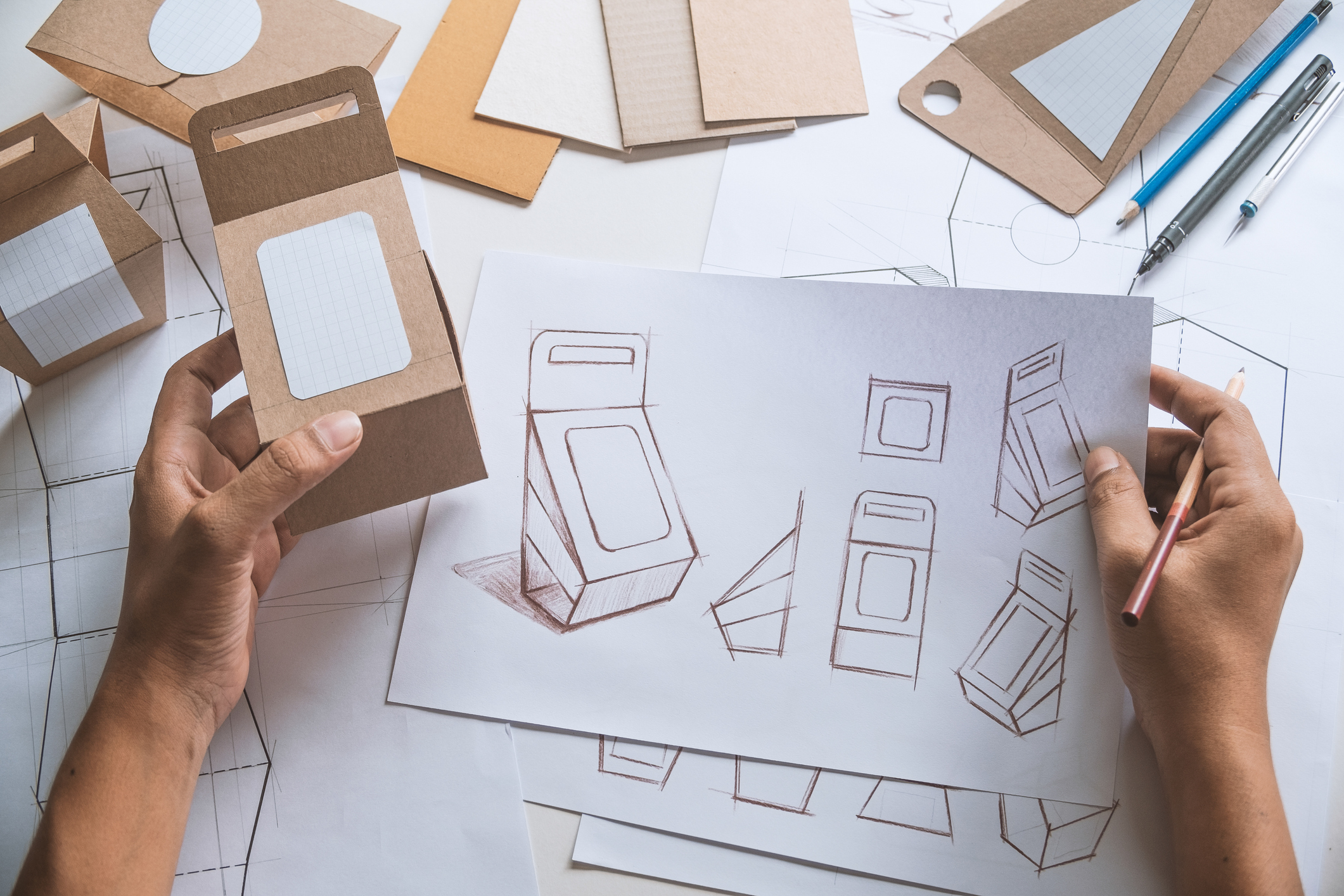
The day will be curated as a dynamic, tactile experience—part exhibition, part demonstration, part workshop, and part conversation. Visitors will be encouraged not only to view objects, but to understand how they work, why they were designed the way they were, and what human needs they were built to address. Displays may include physical prototypes, mockups, process boards, material samples, exploded views, packaging systems, and side-by-side comparisons showing how products evolve through iteration.
Rather than centering only on polished final outcomes, Designing What We Use will emphasize process and decision-making. Attendees will see how industrial designers balance aesthetics with practicality, user needs with production constraints, and innovation with environmental and social responsibility. The result will be a richer understanding of product design as both an artistic and strategic discipline.
Experiential and Off-Site Programming
As part of the extended Designing What We Use theme, curated off-site programming may include studio tours, fabrication lab visits, maker spaces, product showrooms, manufacturing partners, or local design businesses where attendees can see physical product design in action. These experiences will allow visitors to better understand how products are conceived, tested, refined, and brought into the world.
Free. On Purpose.
Every session is free because access to professional development shouldn’t be a luxury. Design Week is a common table — come as you are, bring what you know.